Don’t Renovate Blind: How to Prepare Your Property for Sale
- Property Planning Australia
- Feb 24
- 3 min read
Updated: Mar 31
You’re getting ready to sell. Almost immediately, the question creeps in:
Should you renovate… or just sell it as is?
It sounds simple. Fresh paint. New kitchen. Tidy up the garden. Easy win, right?
Not always.
Plenty of sellers pour time, money and heart into preparing a property, only to watch it sell to someone who knocks it down and starts again. That can be tough to swallow. But the bigger lesson is this:
Effort does not automatically equal value.
The market does not reward sweat equity. It rewards buyer demand.

First Question: Who Are You Renovating For?
Before you pick up a paintbrush, stop and ask:
Are you renovating for yourself… or for the market?
If the motivation is pride, guilt, sentiment or the urge to “finish things properly”, that is a red flag.
Once you decide to sell, the property is no longer your home. It is a product.
That mental shift is powerful. Sellers who stay emotionally attached tend to protect features that mean something to them. Buyers are not buying your memories. They are buying what suits their life now.
If you cannot clearly explain how a renovation will improve buyer appeal and the end sale price, it is probably worth rethinking.
Is It a Home… or a Land Play?
Before spending a dollar, look beyond the walls.
What is happening in your street? Are neighbouring homes being rebuilt? Is the block large? Is most of the value sitting in the land?
Zoning, overlays and council restrictions matter. Some areas protect period homes. Others see steady waves of knockdowns and rebuilds.
If the value is overwhelmingly in the land, buyers may be purchasing the site, not your kitchen.
In that case, renovating the house can be money straight into the bin.
Community trends also count. In some areas, buyers strongly value brand new homes and will happily replace older dwellings. Understanding who is buying in your suburb right now, not five years ago, is critical.
The Renovations That Usually Make Sense
If you are going to spend, focus on presentation.
Think:
Paint
Flooring
Lighting
Gardens
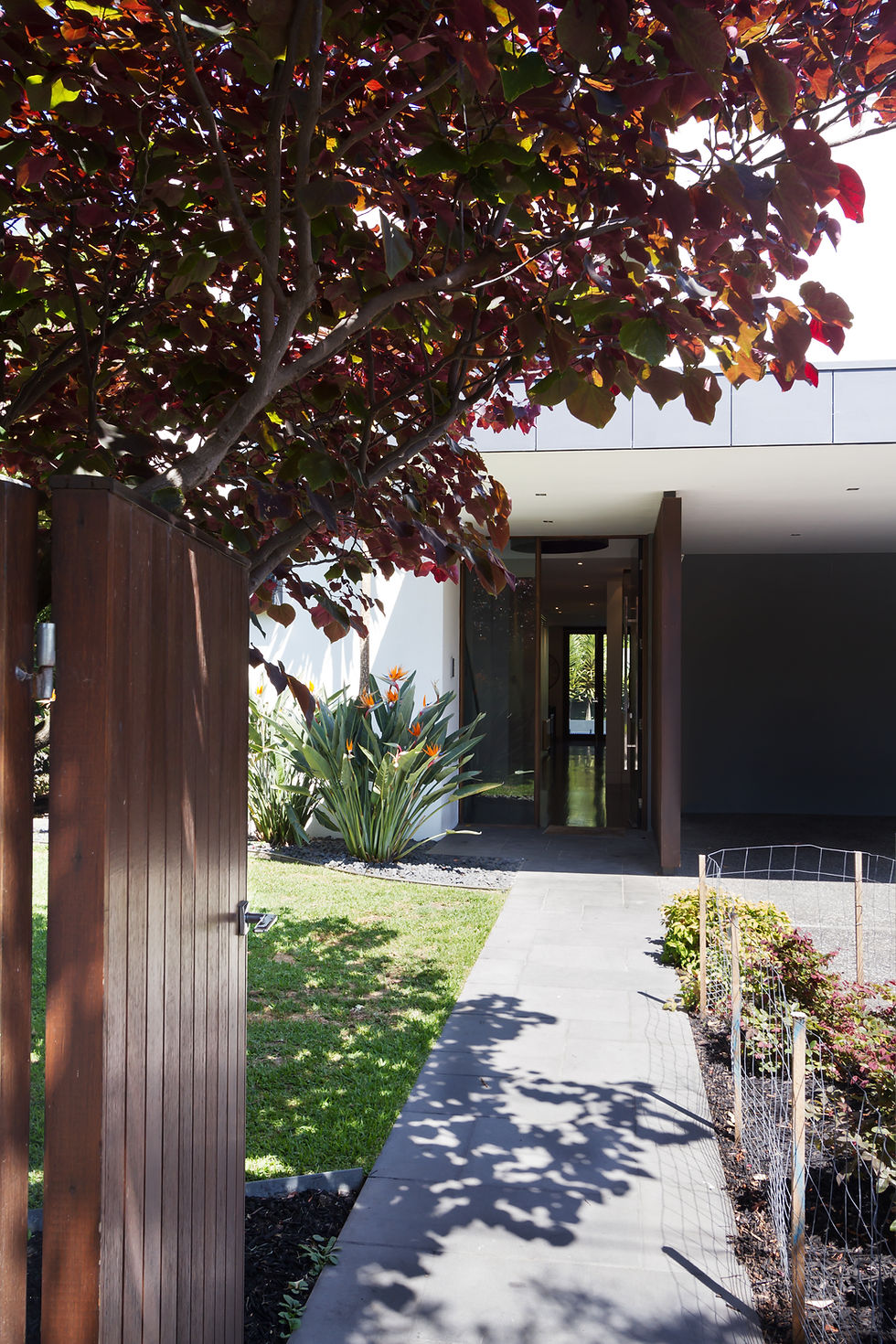
Street appeal
These changes improve how the home feels, not how it is built.
The goal is not to impress buyers with bold design choices. It is to remove hesitation. You want them thinking, “This feels solid,” not, “What is hiding here?”
Simple updates can make a serious impact. Pressure washing, refreshing fences, lacquering a deck, updating light fittings and handles. These are controlled costs with meaningful upside.
And first impressions start at the curb.
When Renovating Actually Pays
There are times when a well-scoped pre-sale renovation works beautifully.
For example, a property that was initially attracting interest at a lower price point underwent targeted presentation improvements costing around $60,000. The kitchen was refreshed rather than replaced. The exterior was improved. Curb appeal was lifted. The result was a significantly stronger sale outcome.
The key point?
It was strategic and cosmetic. Not structural.
Where Sellers Get Burned
Major structural changes are where things get risky.
Even worse is doing significant alterations without proper permits or documentation. Buyers do not want to inherit liability. If council issues are a possibility, confidence drops fast.
Structural works can also uncover unexpected problems. Costs blow out. Stress increases. Campaign momentum slows.
And fear kills buyer interest far faster than outdated tiles ever will.
If there are known issues, being proactive with documentation and clear explanations can help prevent buyers from walking away.
Know Your Buyer Type
Not all buyers behave the same.
Entry-level buyers are often financially stretched and more price sensitive. They may be more nervous and more likely to engage building inspectors. Clear communication and manageable issues matter here.
Prestige buyers often want turnkey perfection. But they are also experienced enough to recognise overcapitalisation risk.
And remember, buyer demand shifts. Government incentives, zoning changes and infrastructure upgrades can change who is buying in your area.
Renovation decisions must be local and time specific.
The Guiding Principle
If there is one rule to follow, it is this:
Do not renovate for the buyer you hope for. Prepare for the buyer you are most likely to get.
Step back. Remove the emotion. Treat it like the product it now is.
Renovate with purpose. Spend deliberately. Let demand, not pride, drive your decisions.
For more information, listen to the Property Trio Podcast
Reach Out to Us
If you would like to discuss your next steps, property plans, and mortgage strategy, get in touch with us today. Our team of experts is here to guide you through the complexities of the market and help you achieve your property goals.